UI design as concept communication — Momentum
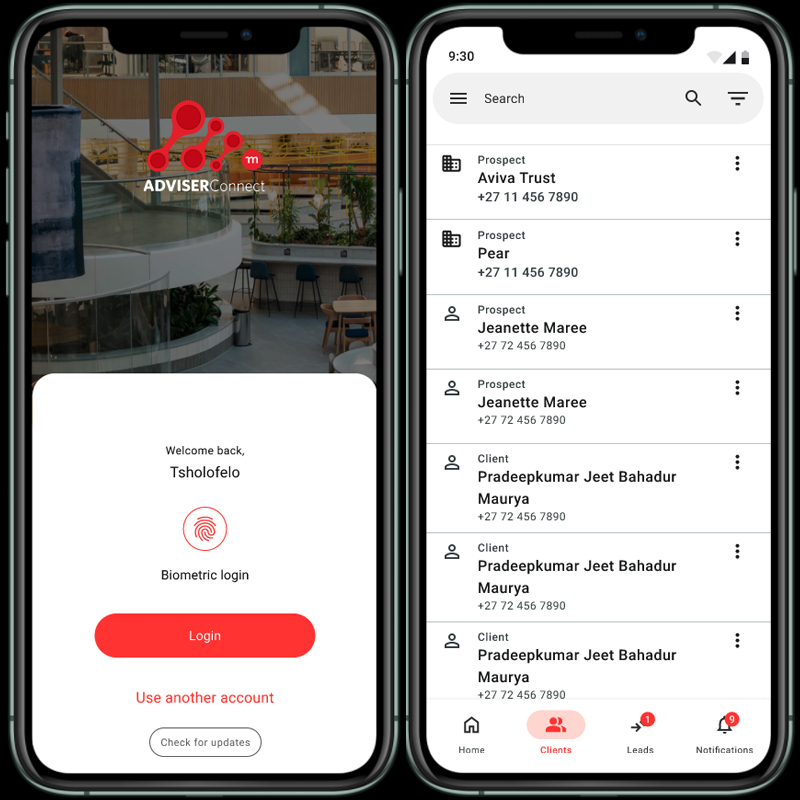
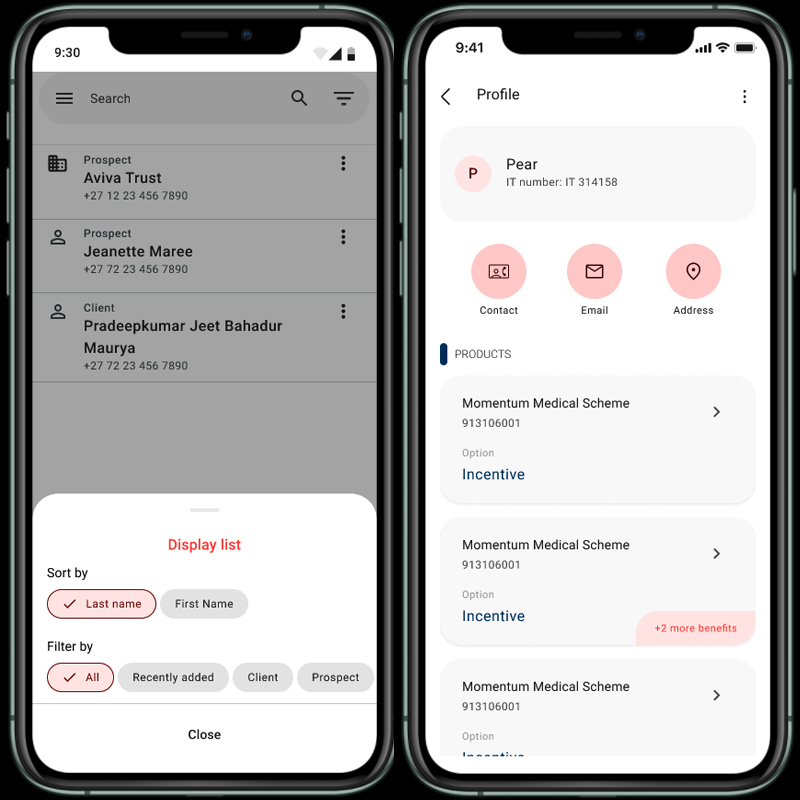
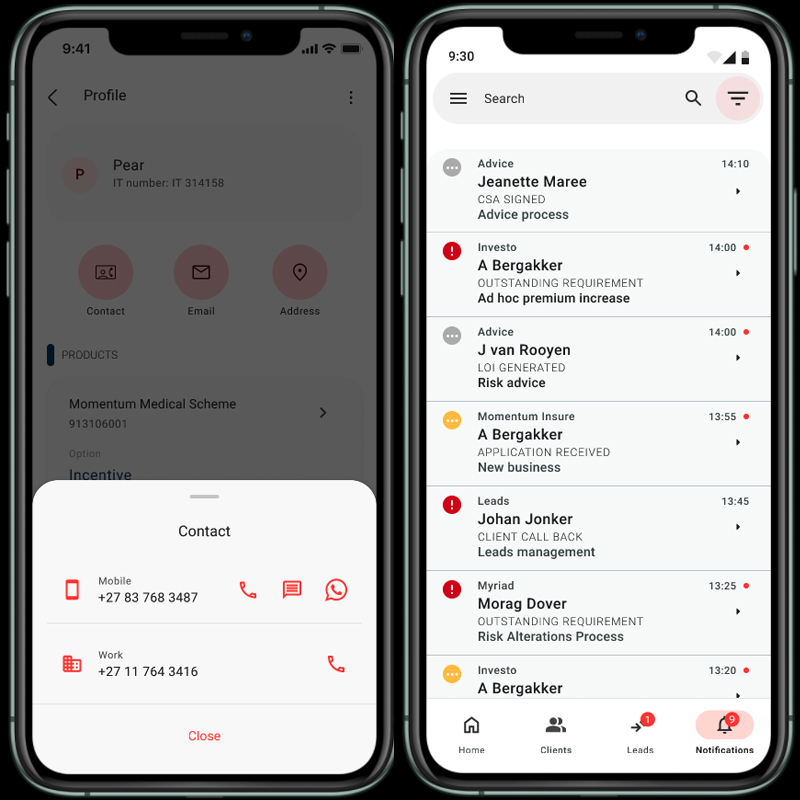
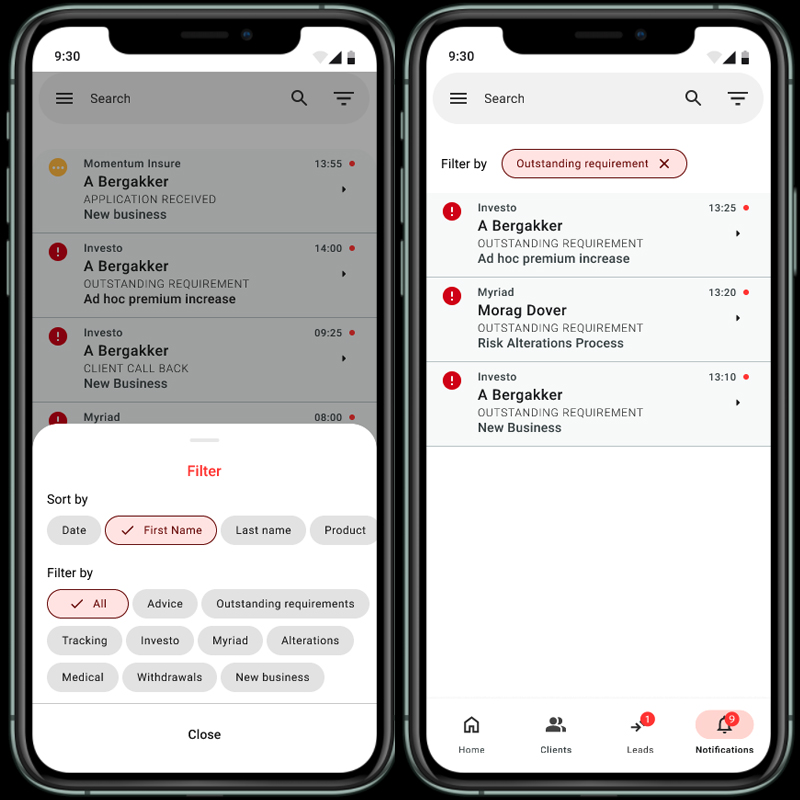
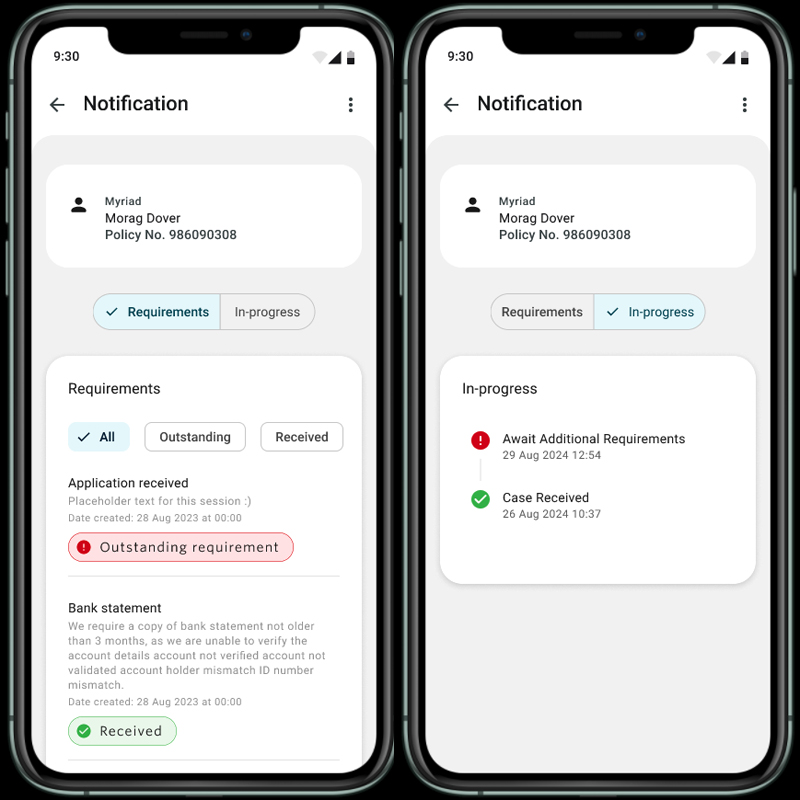
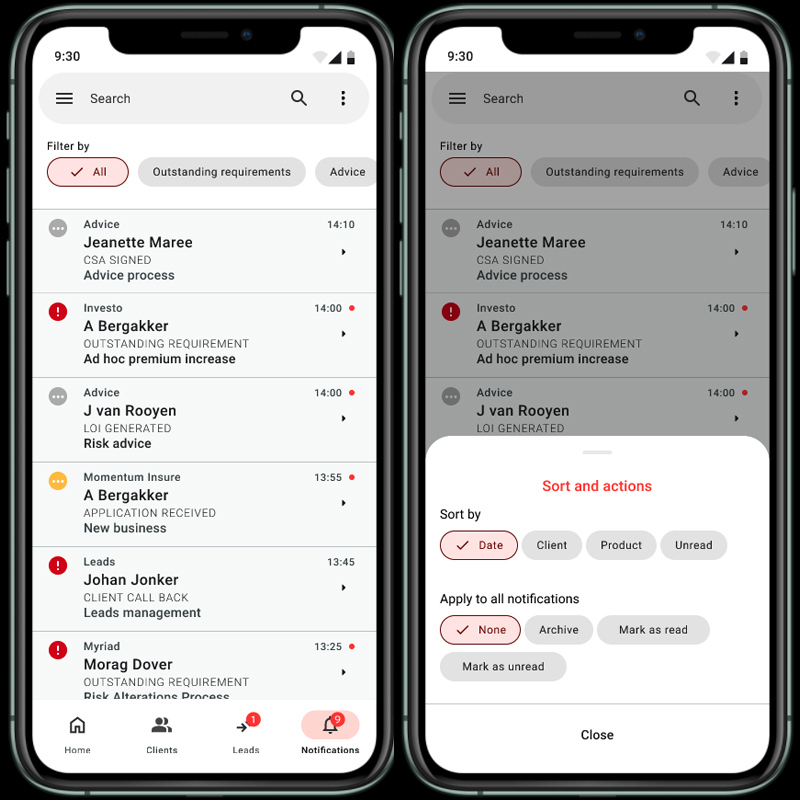
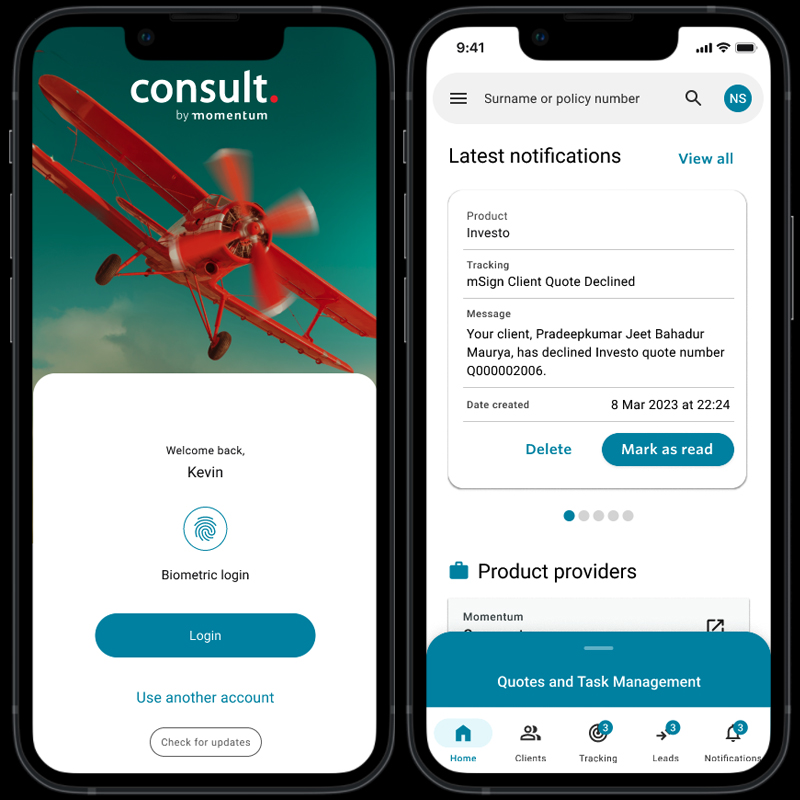
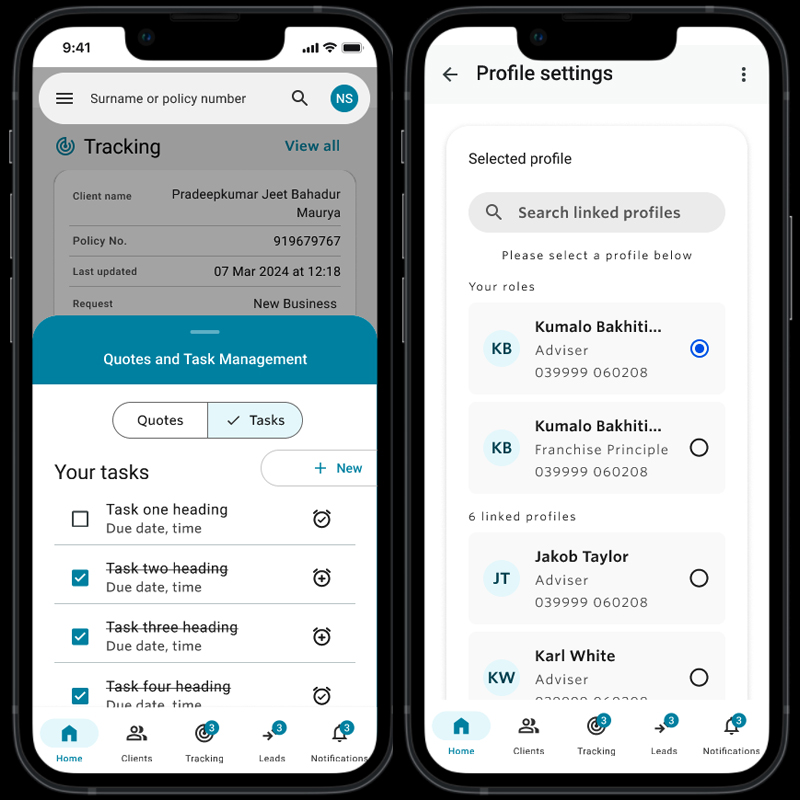
These selected interfaces show that I could work hands-on in UI when a project needed it. Visual design, however, was never the centre of my practice. My core contribution sat earlier in the process: understanding users and services, framing the problem, defining flows and conceptual models, and aligning the solution with business and technical constraints.
I used UI screens and prototypes to make that thinking visible, test interaction ideas and communicate direction to stakeholders, design teams and developers. Where specialist UI designers took the work forward, these artefacts formed part of the handover and design intent rather than being the end goal.
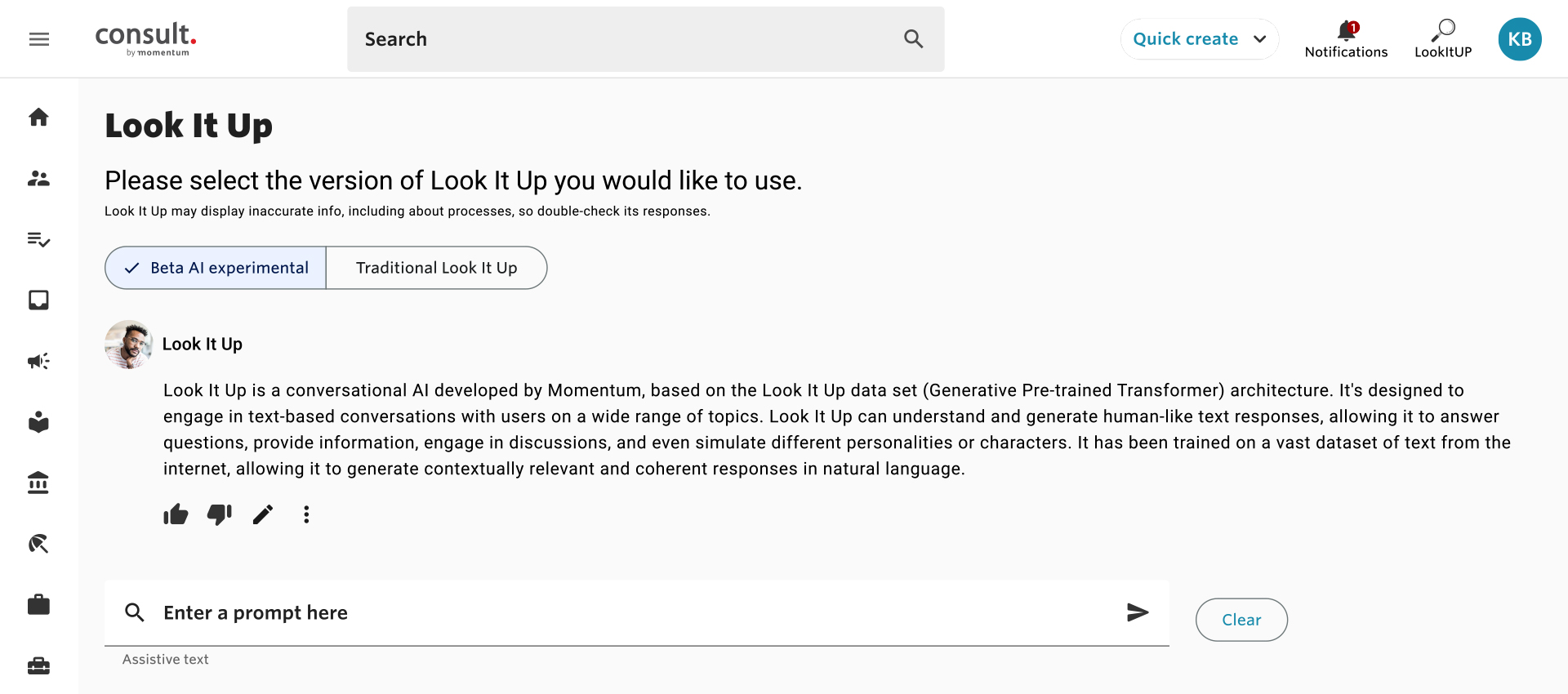
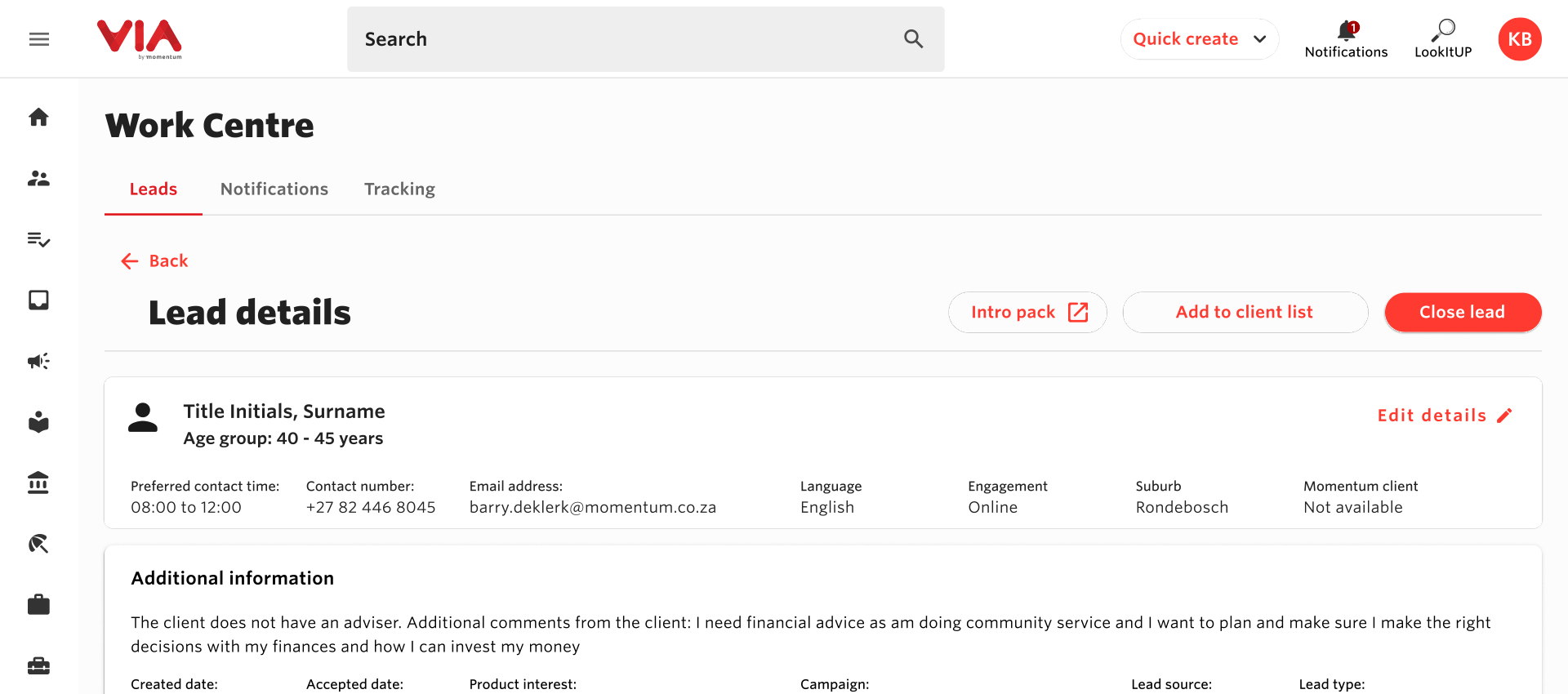
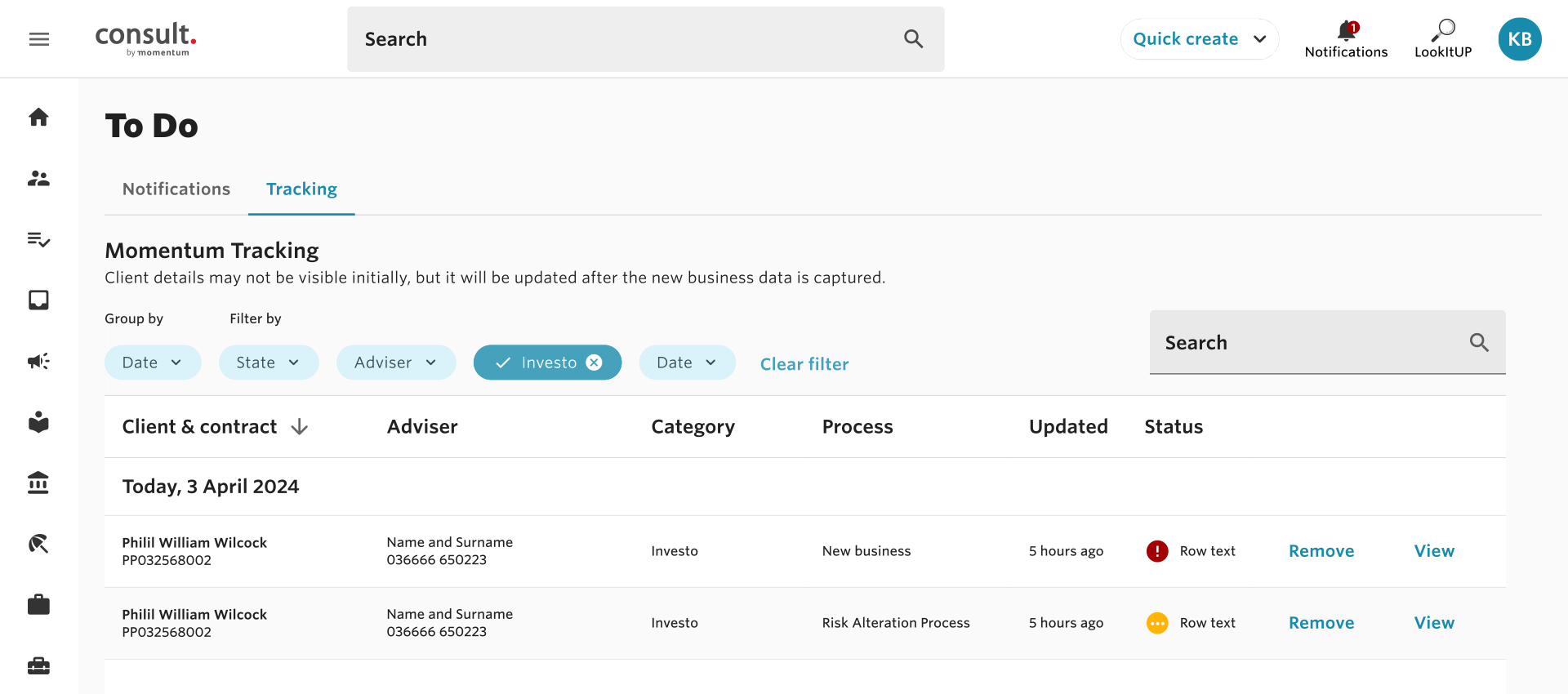
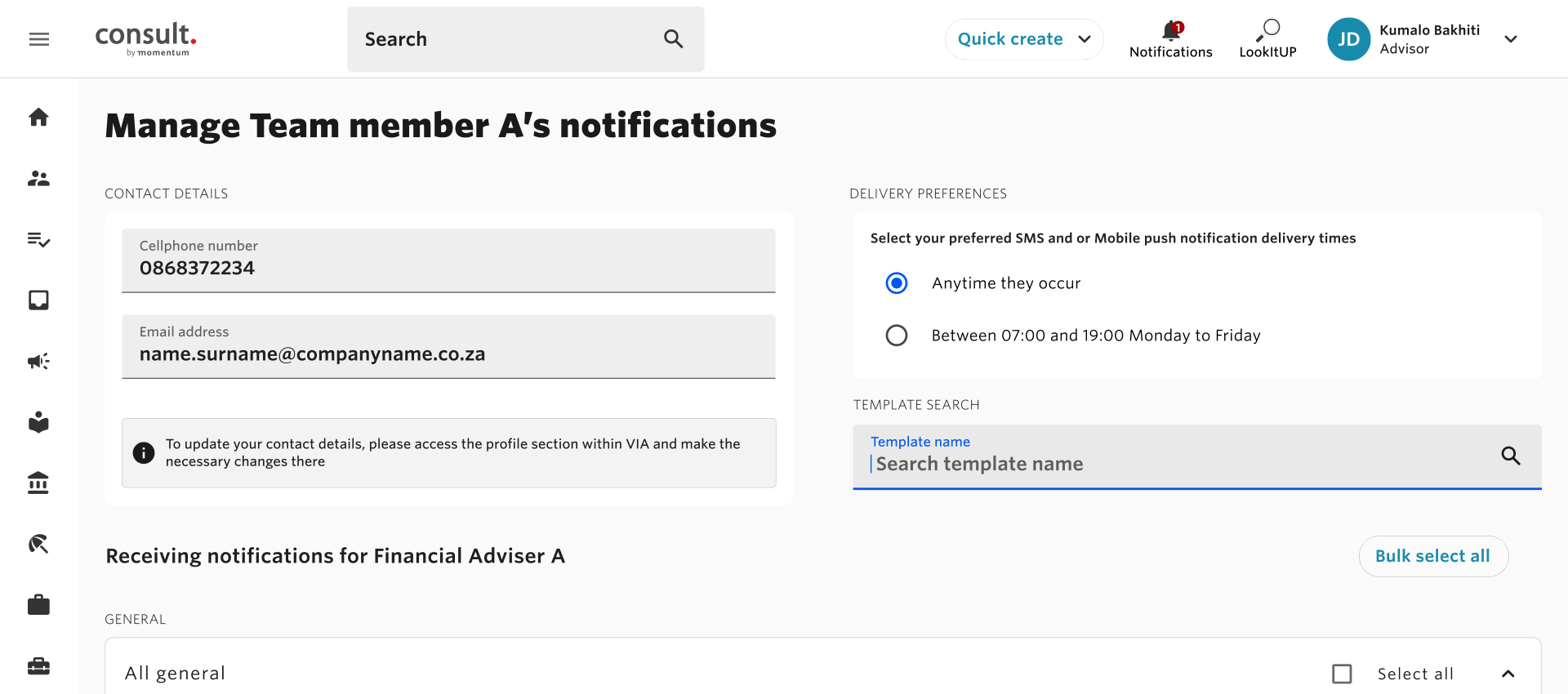
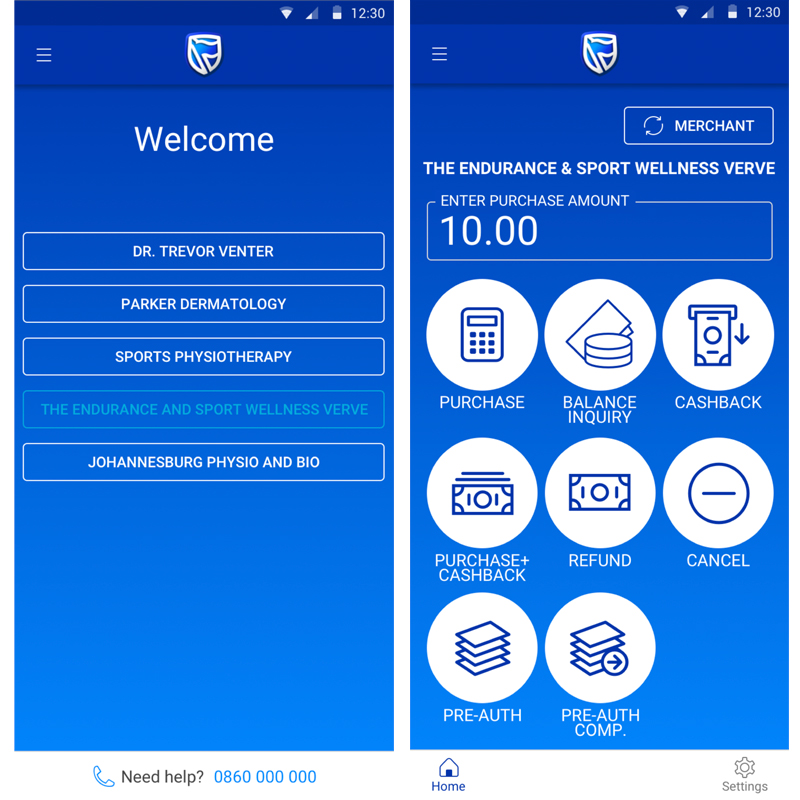
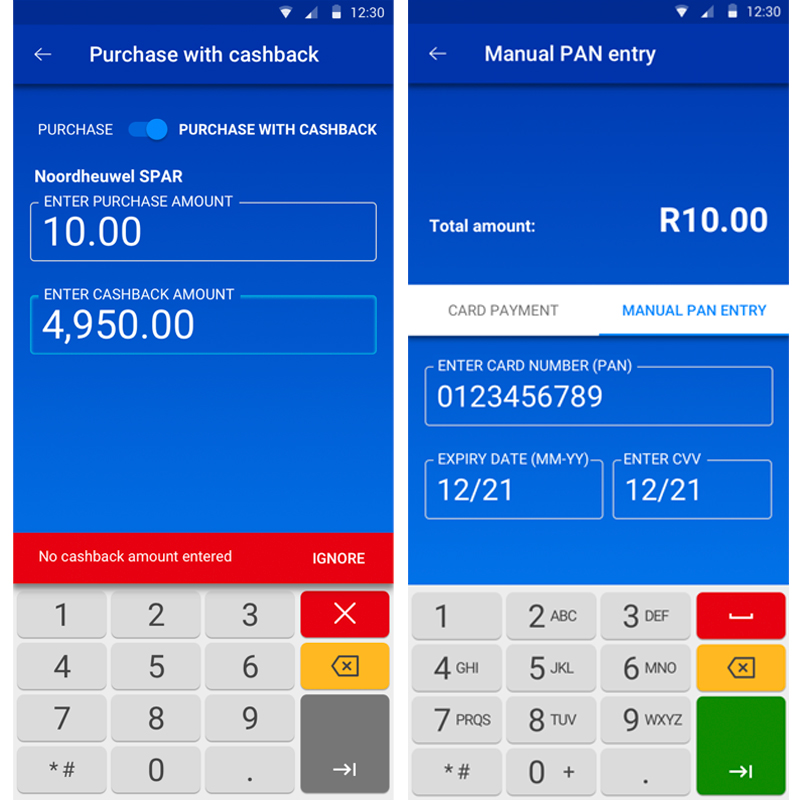
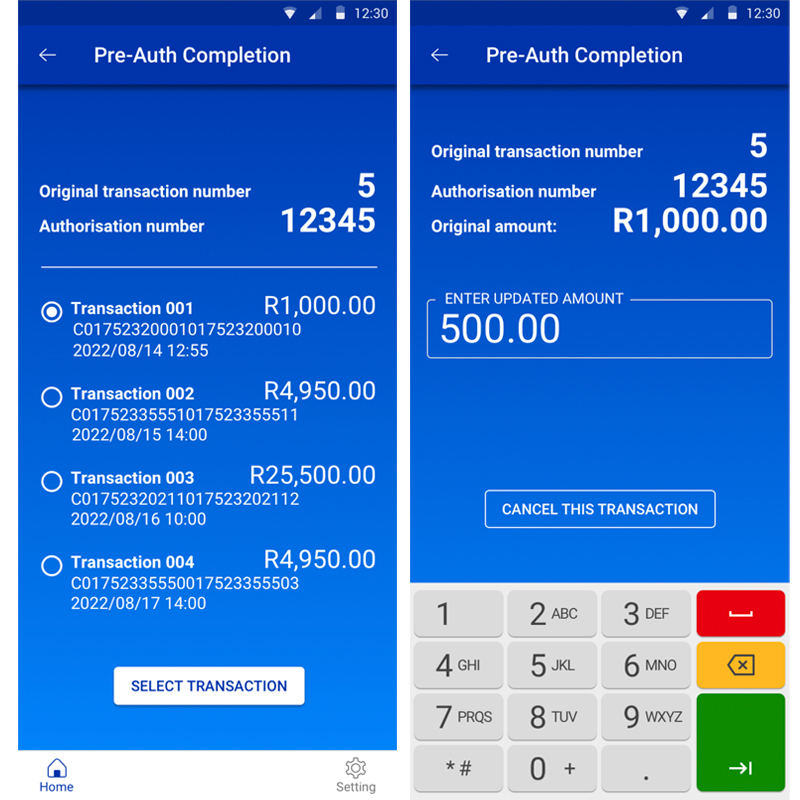
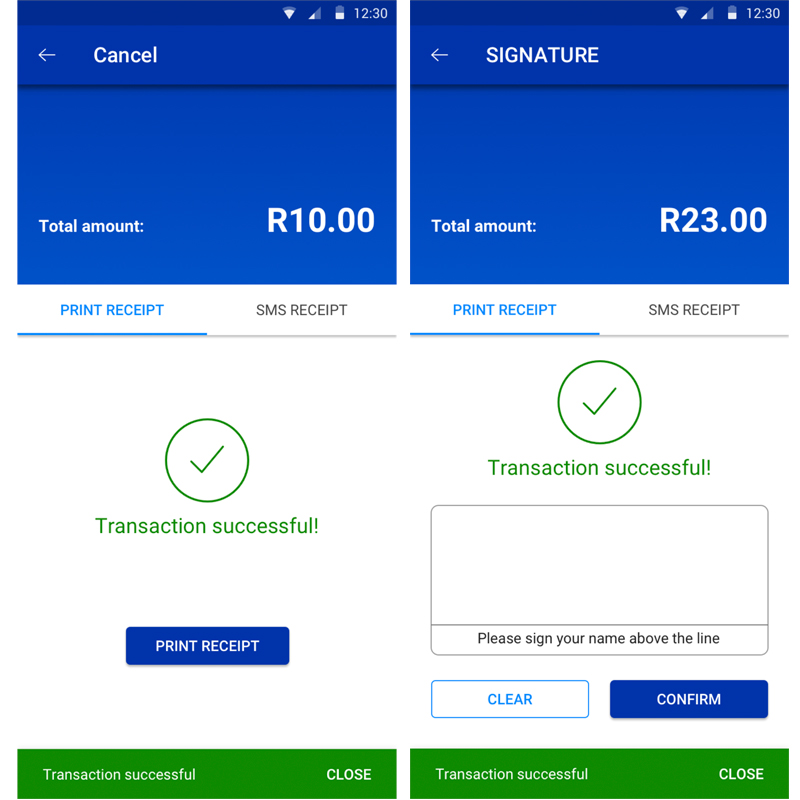
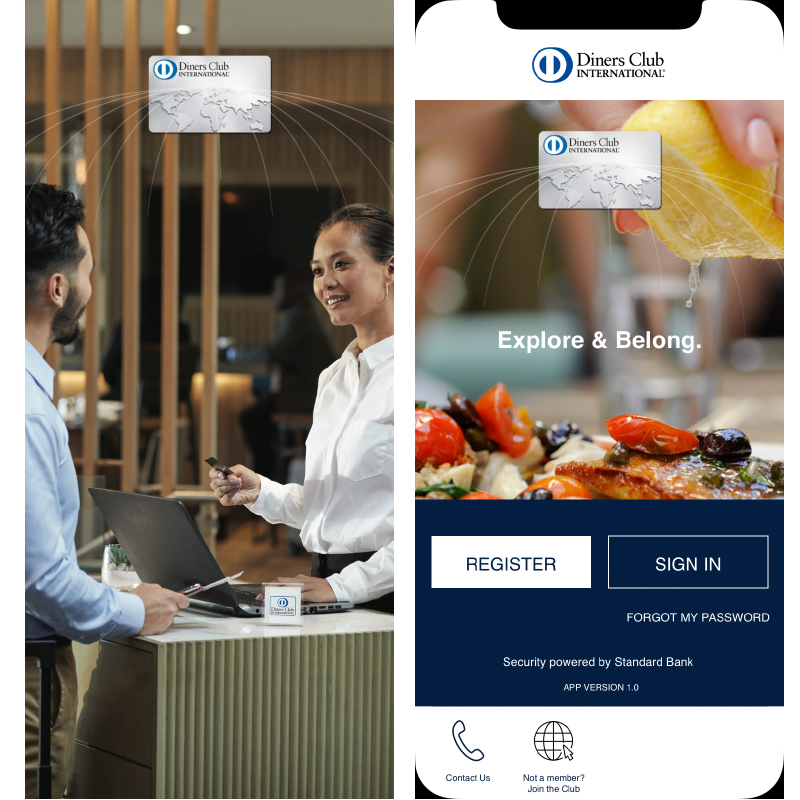
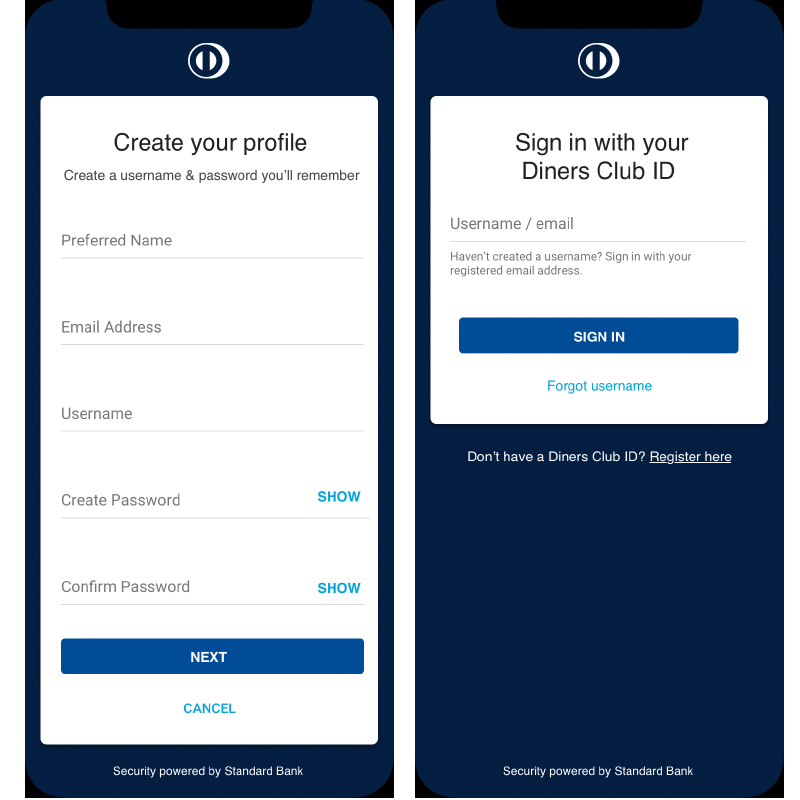
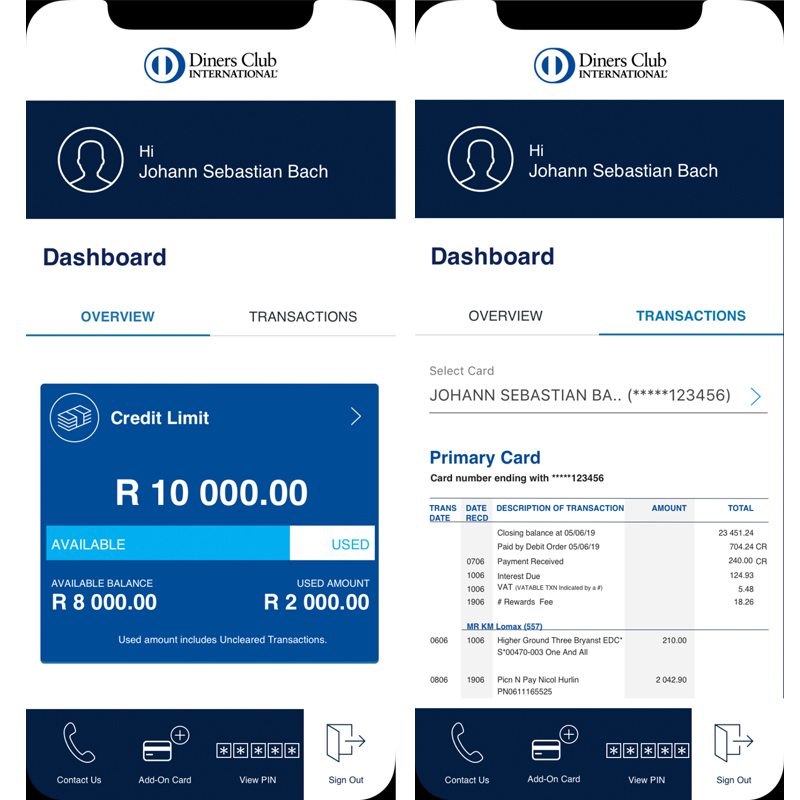
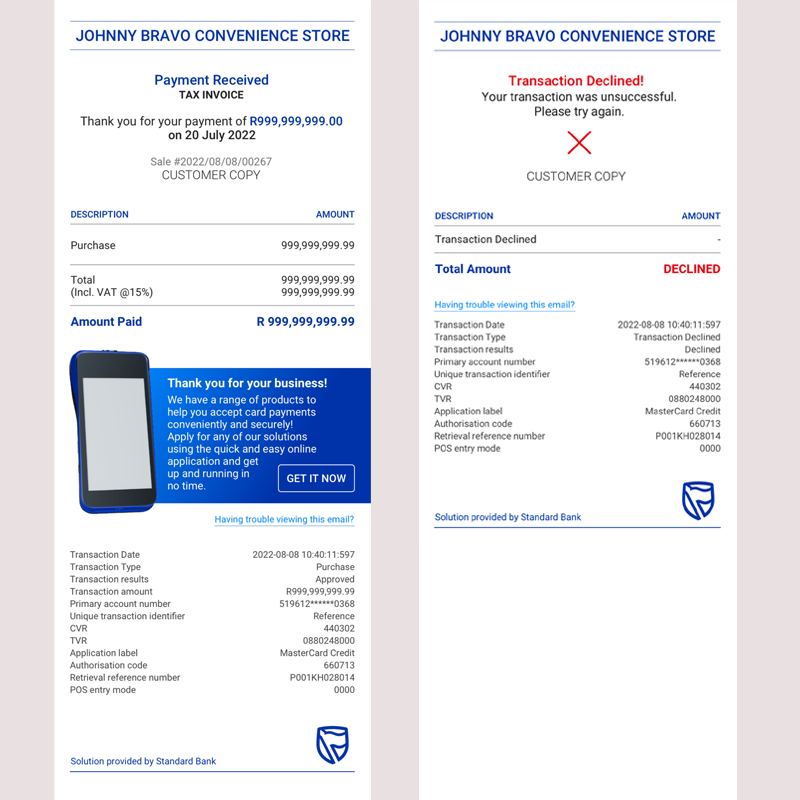
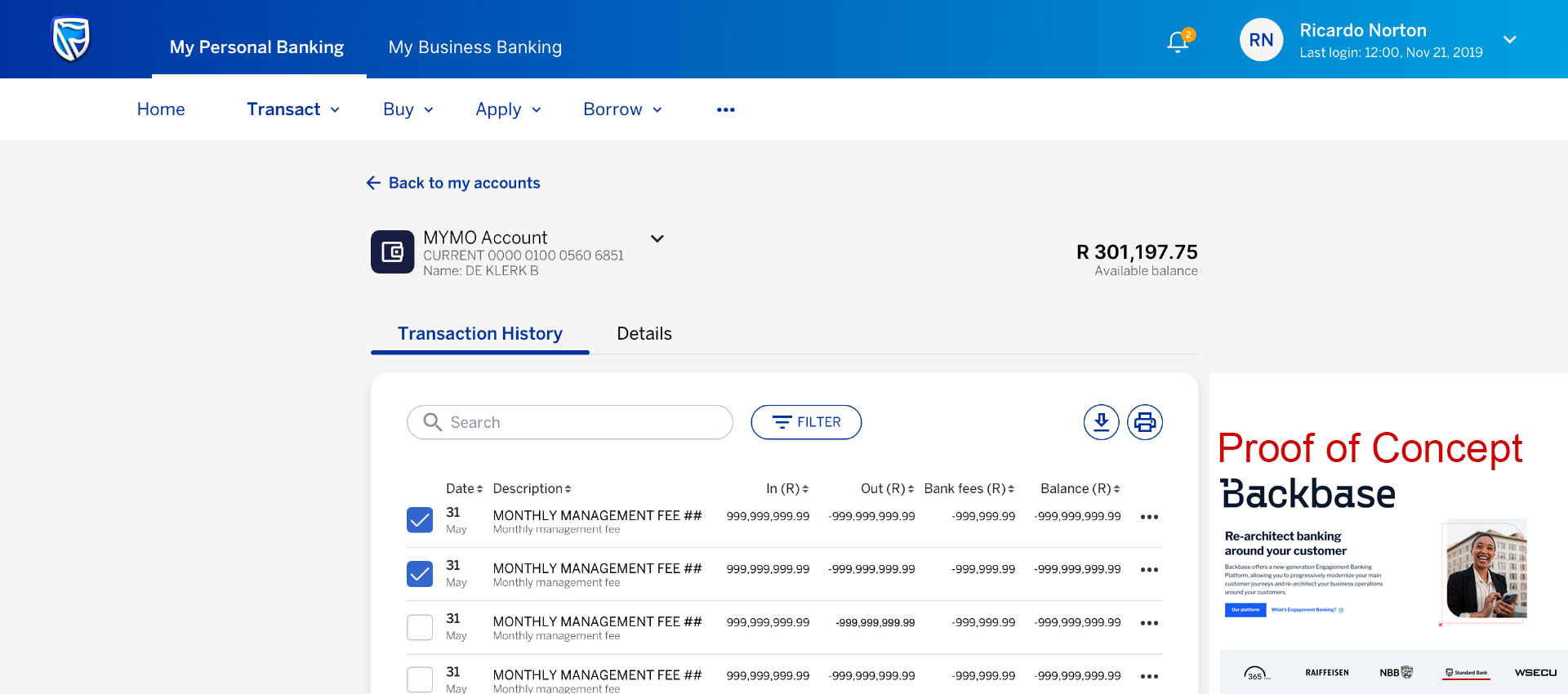
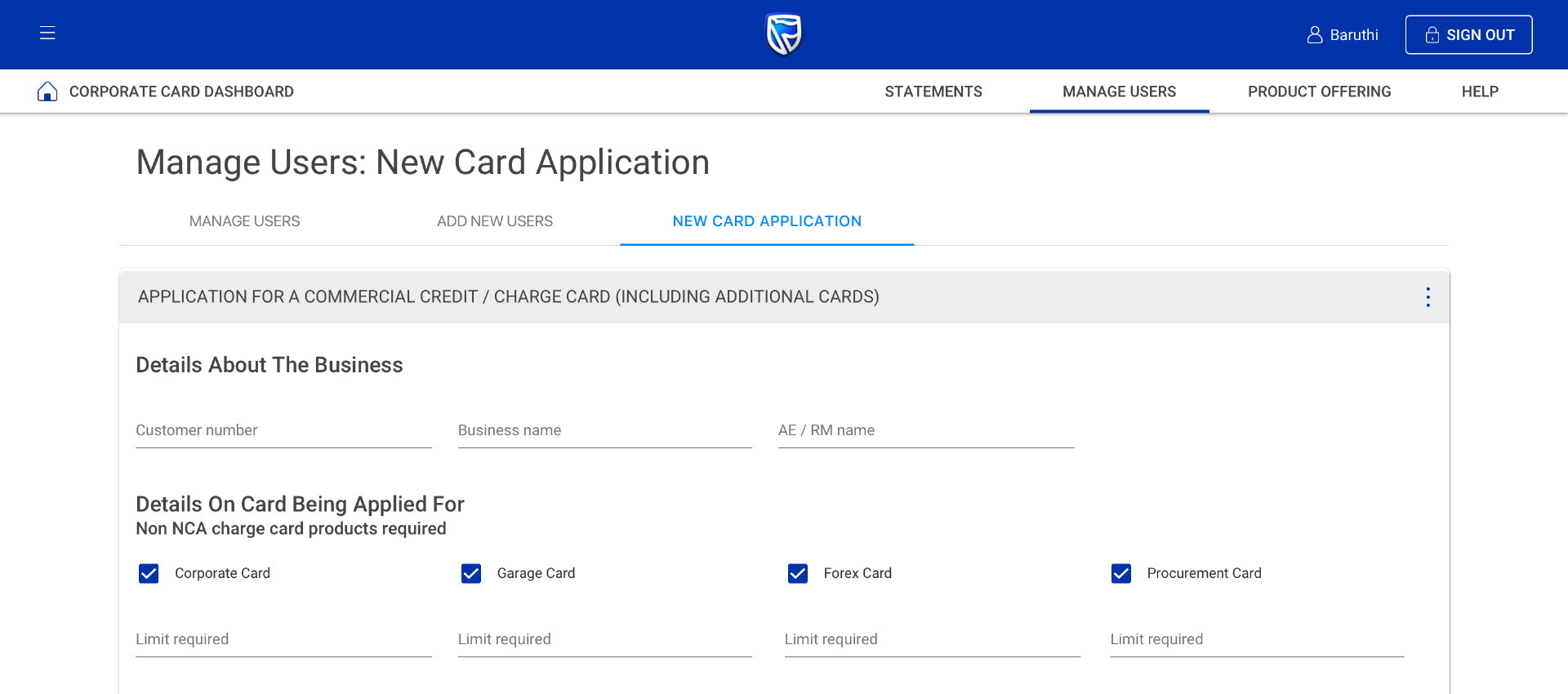
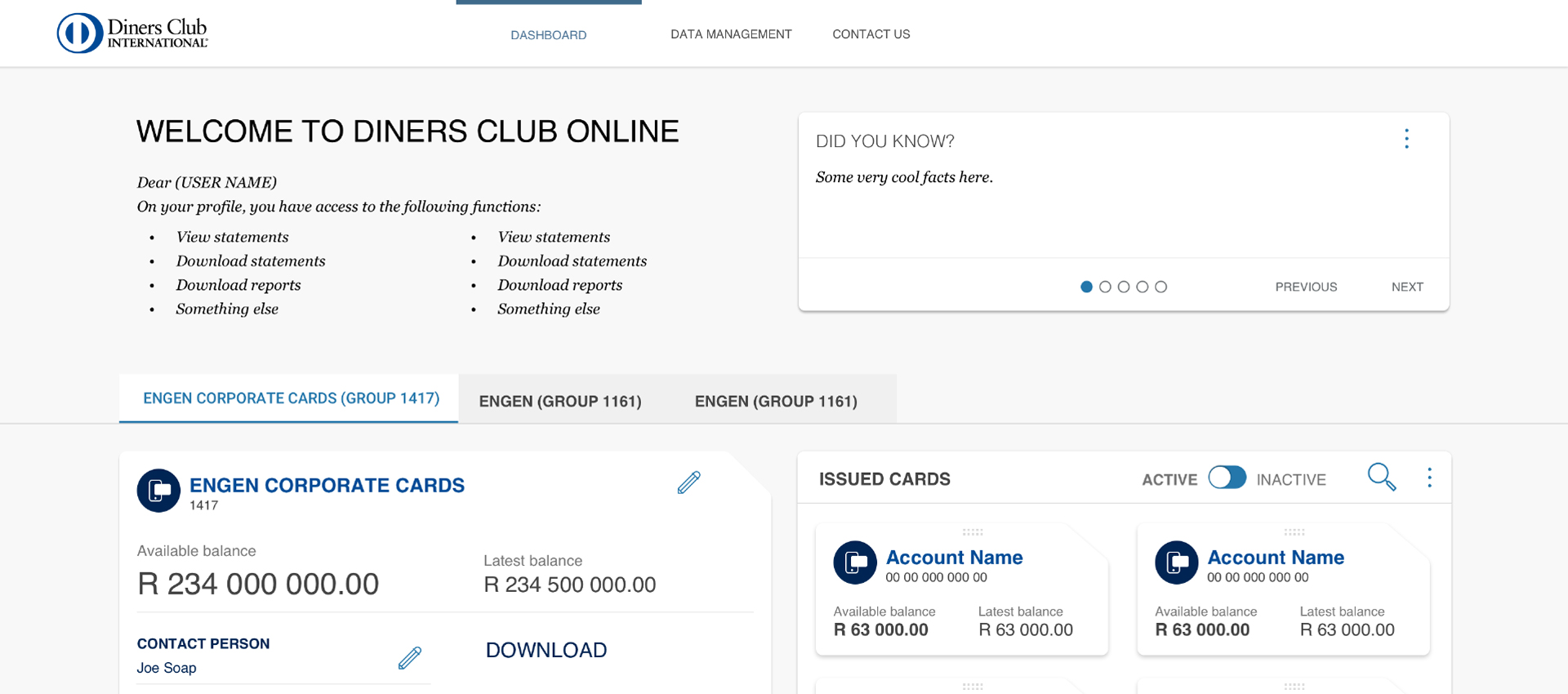
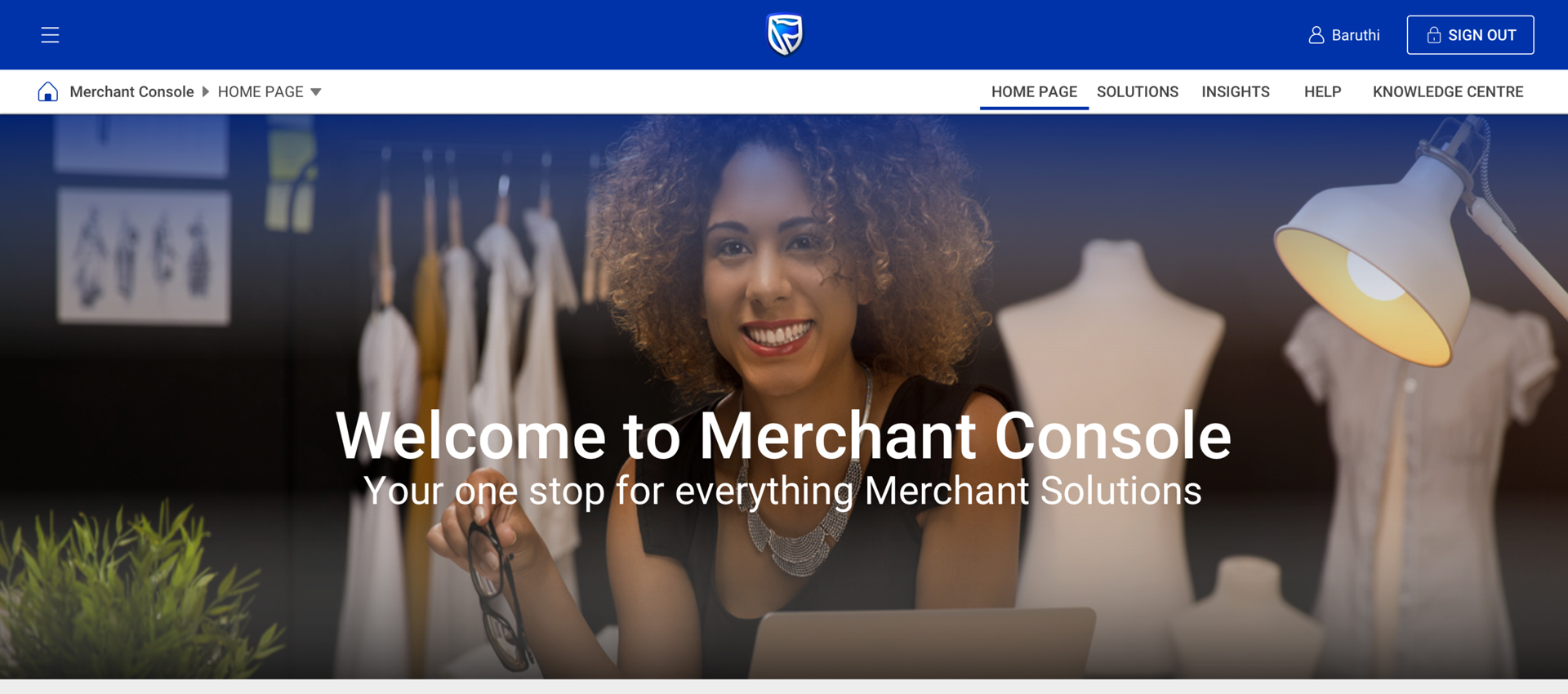
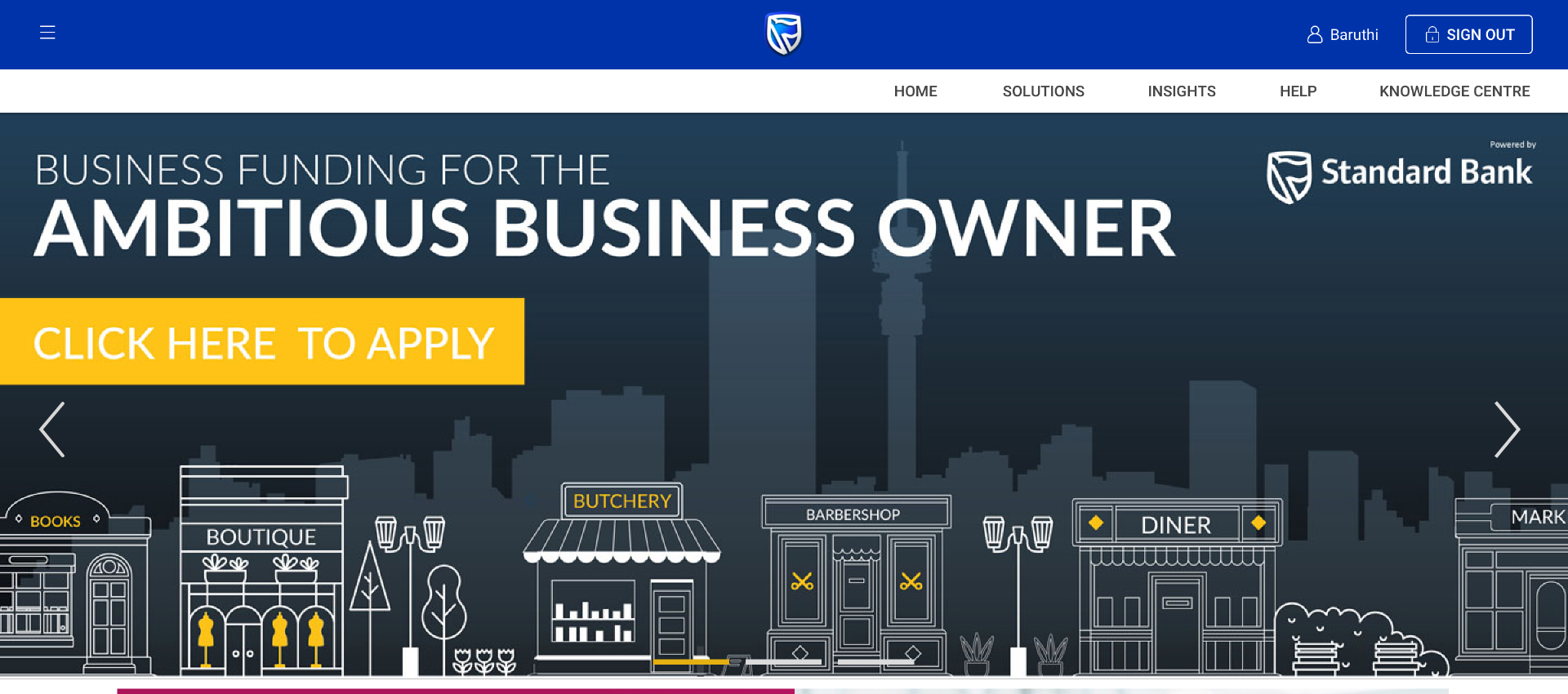
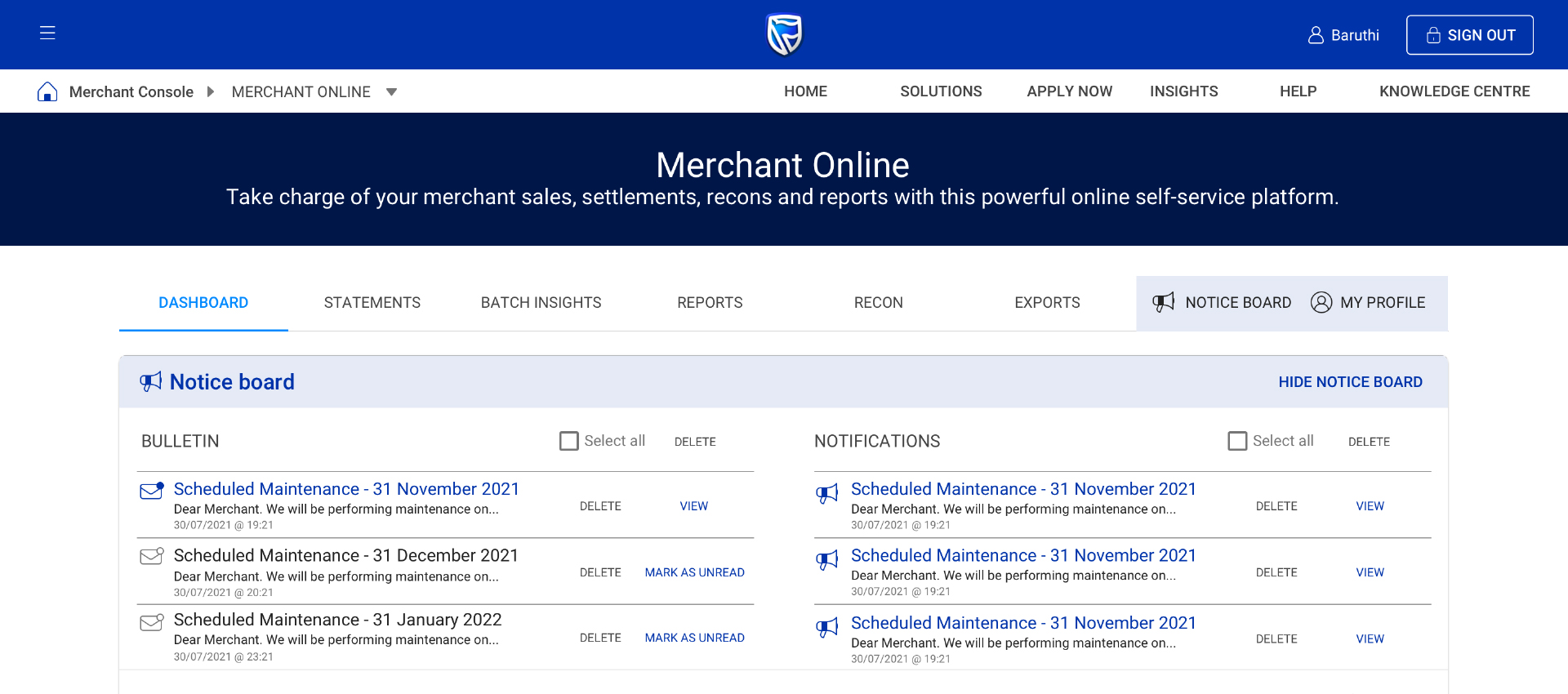
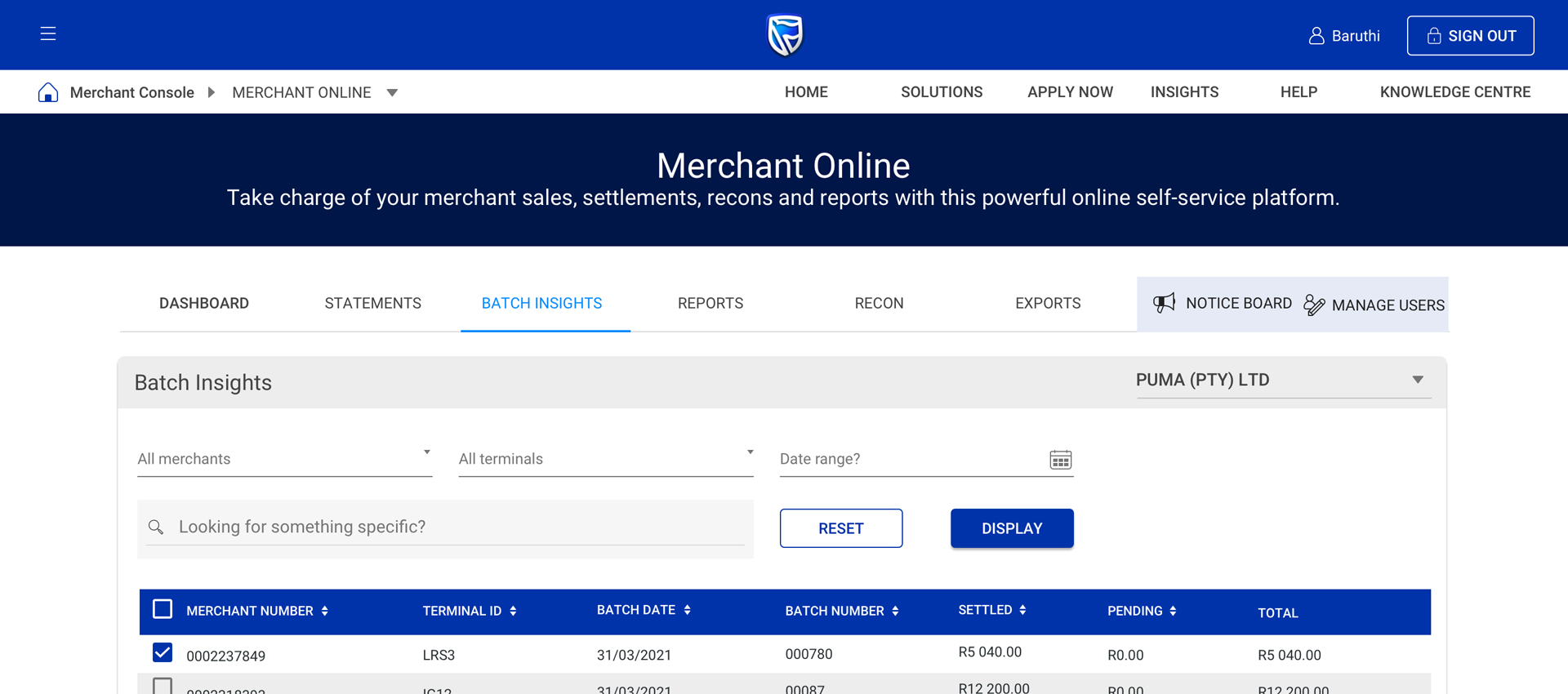
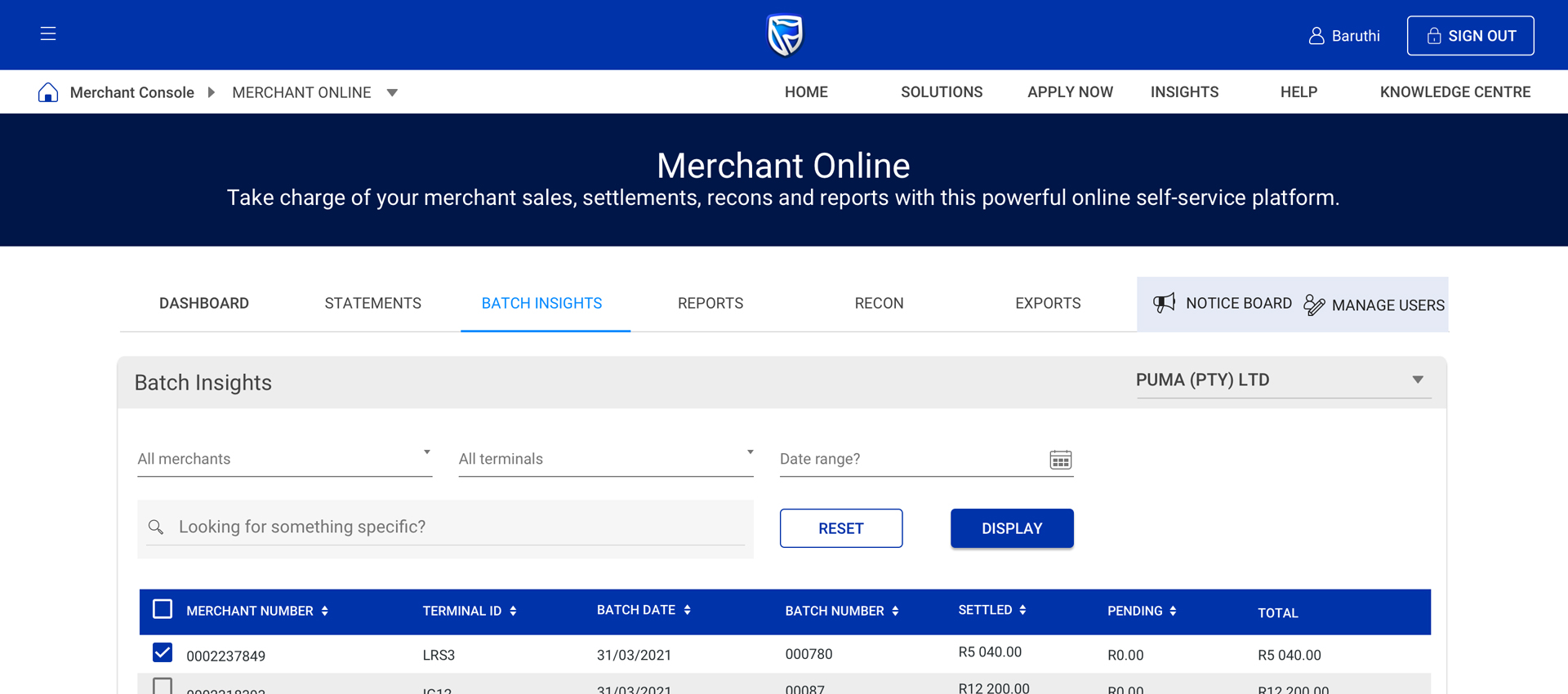
UI capability — Standard Bank and Diners Club SA
These earlier examples show the same pattern. I could create high-fidelity screens and interaction concepts, but the broader role was product and service design: discovery, problem framing, conceptual direction, service and system mapping, and multidisciplinary alignment. UI was one of the tools I used to communicate the solution.

Retrospective lens
The Chief Technology and AI Officer (CTAIO) Programme at NUS Computing gave me clearer language for the progression that had already been taking shape. I am strongest when I orchestrate across business, technology, design and development: clarifying intent, structuring the problem, surfacing dependencies and giving teams a coherent direction, rather than treating pixel-perfect UI as the primary outcome.
I still retain hands-on UI capability and can use it when it adds value. Visual design is a supporting capability, not the core of my role. The core is product and service thinking, systems architecture, technology strategy and governance: defining how the whole solution should work, then enabling specialist designers and engineers to execute it well.
Where this thinking developed next
These projects increasingly moved my focus beyond individual interfaces towards systems, services, operating models and the orchestration of business, design, technology and delivery. I later developed this perspective further through the NUS Chief Technology and AI Officer Programme, culminating in a capstone focused on AI-native architecture, governance, operating models, strategic prioritisation and responsible scale.